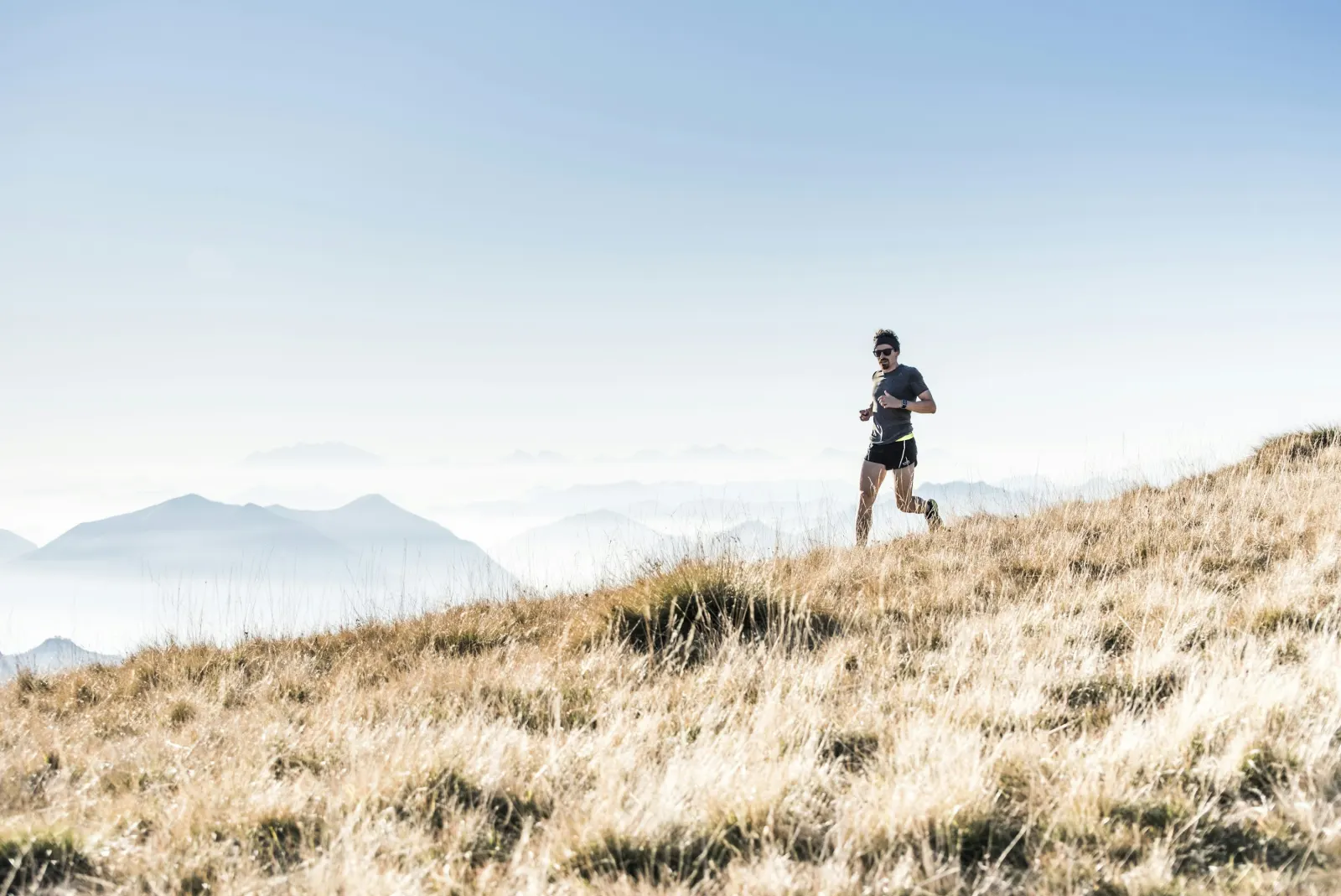
Mountain trails, sandy routes and multi-day events add demands that a road-distance target does not capture. Start with terrain, altitude, access, weather and the support available. A route's distance alone cannot tell you how long it will take or whether it suits your experience.
Treat altitude as a separate planning issue
Travel from lower elevation can require changes to activity even if you are fit. The CDC's high-altitude travel guidance explains acclimatisation, illness symptoms and when ascent or activity should change. Get individual advice when relevant to your health or itinerary, and do not use sea-level pace as a demand immediately after arrival.
Colorado, Mexico City and the Alps describe broad regions, not interchangeable training conditions. Check the elevation and access of the actual route, and know the local emergency arrangements. Fitness-app estimates do not establish that altitude symptoms are harmless.
Preview the surface and escape options
For a first trail outing, select terrain you understand and a route with a clear return. Check whether steep, loose or exposed sections require skills you have not practised. On sand, inspect the route and local conditions rather than assuming a beach is a uniform soft surface. Consider tide information where applicable.
A downloaded GPX file does not confirm access or current safety. Carry an appropriate navigation fallback and know which sections allow you to leave the route. See GPX and route checks.
Training in a city for a longer trail event
List the demands you cannot fully reproduce locally: prolonged climbs, technical descending, carrying required kit or being far from support. Discuss preparation with a suitable coach and arrange appropriate practice rather than replacing every missing element with extra road mileage.
Test the kit as a system, including shoes, storage, food and water access. Follow the event's required equipment list and current instructions. A trail shoe or gaiter is not certification for snow, exposed terrain or winter mountaineering.
Multi-day and ultra events
Plan the time between stages: travel, food, sleep, drying kit and access to help. Support and resupply rules can differ by event. Consult the organiser and, for individual nutrition needs, an appropriate professional; World Athletics' ultramarathon nutrition review explains why long-event nutrition requires context.
A live map may lose coverage. Keep emergency and meeting arrangements independent of Runwiv or any other spectator app.